




The result of a vehicle wrap depends on the vinyl type, a design measured specifically for the vehicle and correct installation. This article covers the difference between cast and calendered vinyl, the installation steps and how to care for a wrapped vehicle.
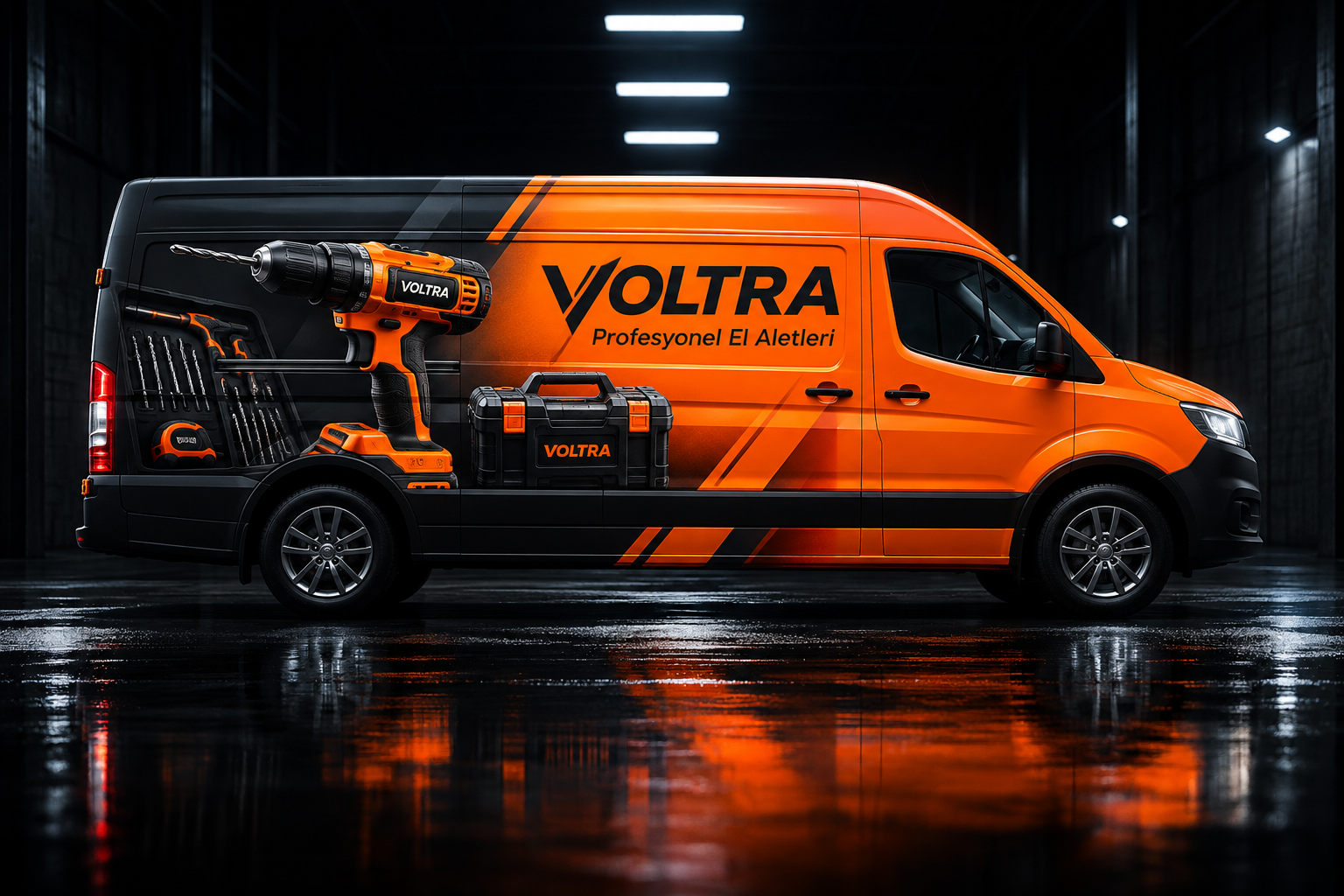
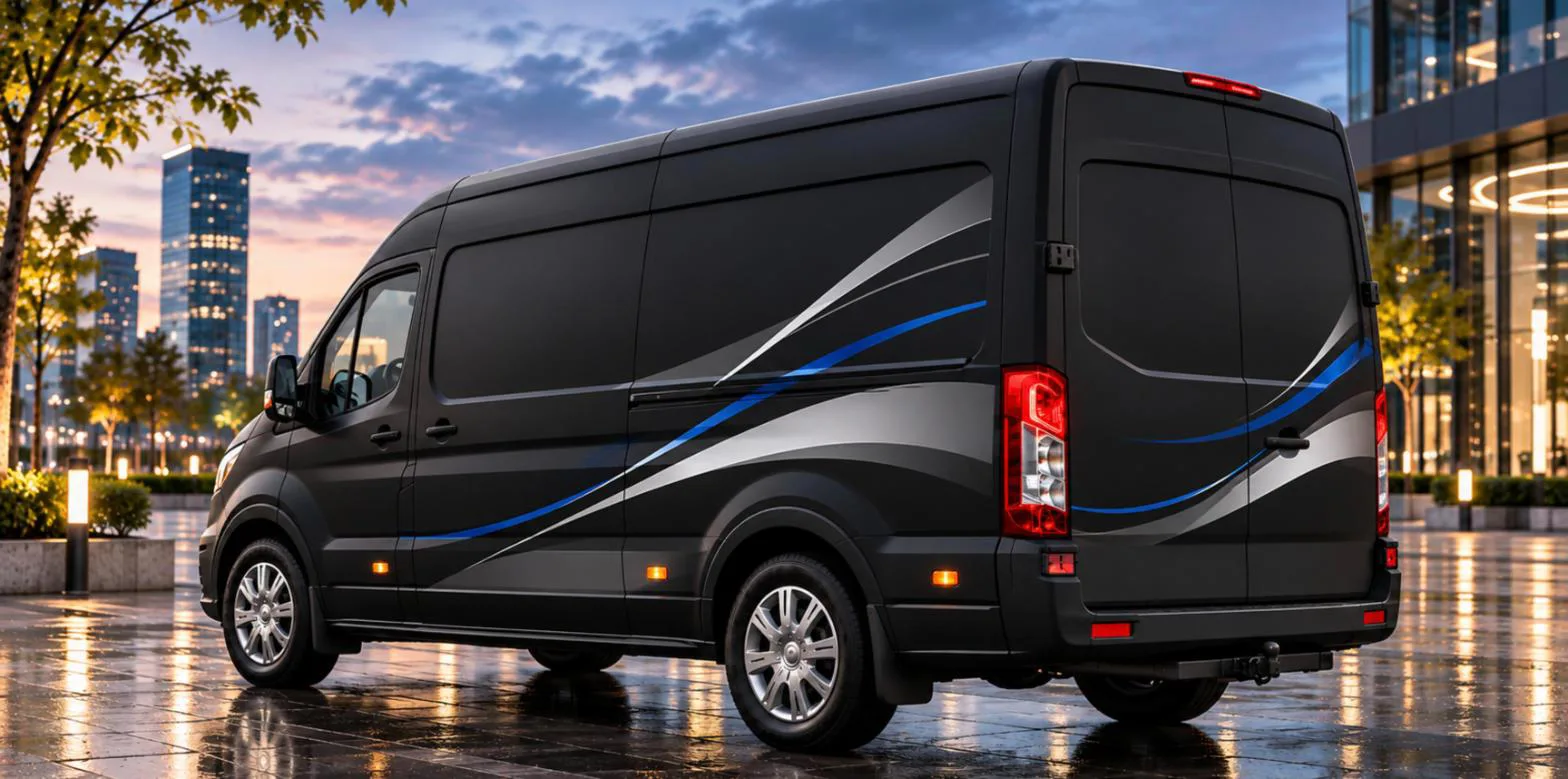
Vehicle wrapping is the full or partial covering of a vehicle's body panels and windows with printed or colored advertising vinyl. With the right vinyl, a design custom-fitted to the vehicle and careful installation, company vehicles become a mobile advertising surface that promotes your brand every moment they are on the road around the city. The quality of a vehicle wrap depends most on the vinyl type, how well the design follows the vehicle's contours, and surface preparation before installation.
Is there a difference between vehicle graphics and a vehicle wrap?
In everyday use, the two terms are often used interchangeably. Generally, “vehicle graphics” refers to a printed advertising application featuring a logo, contact details and images, while a “vehicle wrap” in the narrower sense refers to a single-color vinyl application meant to change the vehicle's color or protect its paint. In both applications, the vinyl is applied over the vehicle's paint; neither requires a permanent paint job, and the vinyl can be removed with the proper method.
Which type of vehicle wrap should you choose?
Full wrap
A full wrap covers all painted surfaces of the vehicle with printed vinyl. A full wrap delivers the strongest visual impact, with brand colors and images spread across the entire vehicle.
Partial wrap
A partial wrap covers specific sections of the vehicle, such as the sides, the rear doors or the hood. A partial wrap uses the vehicle's own color as part of the design, making it a balanced option between budget and visual impact.
Cut vinyl lettering and logos
Cut vinyl graphics are logos, phone numbers and web addresses cut from colored vinyl and applied to the vehicle. Cut vinyl lettering is a simple, economical and fast solution, preferred especially for standard corporate identity applications across large fleets.
Window graphics
On the rear window and rear side windows, perforated one way vision film can be used: the print is visible from the outside, while occupants can still see out from the inside. Because applications that restrict visibility on the windshield and front side windows are limited by traffic regulations, the rules must be checked before these areas are included in the wrap plan.
What vinyl is used for vehicle wraps?
Among the digital print vinyls used for vehicle applications, two main groups stand out:
| Property | Cast vinyl | Calendered vinyl |
|---|---|---|
| Thickness and flexibility | Thin and flexible; conforms well to curved surfaces | Thicker and stiffer; performs better on flat surfaces |
| Suitable surfaces | Fenders, bumpers, recessed and curved areas | Door panels, cargo body surfaces and flat areas |
| Dimensional stability | Low tendency to shrink and pull back | Greater tendency to shrink back from the edges over time |
| Typical use | Long-term full or partial wraps | Short- and medium-term campaigns, flat-surface applications |
| Cost | Higher | More economical |
A clear protective overlaminate applied over the printed vinyl protects the print against sunlight, scratches and washing. Choosing a gloss or matte laminate also directly affects the overall look of the vehicle.
How are the vehicle wrap design and measurements prepared?
A vehicle wrap design is not prepared like a flat poster. Door handles, the fuel door, hinges, trim strips and panel gaps all change how the graphics will look. For this reason:
- Use a measurement template that matches the vehicle's make, model and body type, and measure the vehicle on site if necessary.
- Do not place key information such as the logo, phone number and web address over panel gaps, handles or deep recesses.
- Because the vehicle will mostly be seen in motion, keep the message short and the lettering large and high-contrast.
- Prepare images at a resolution that will not degrade when printed at vehicle size, or in vector format.
- Approve the right, left, front and rear sides of the vehicle separately; for fleet vehicles, keep the same layout on every vehicle.
How is a vehicle wrap installed?
- Inspection and measurement: The vehicle's surface condition is inspected, and any paint damage, rust or residue from previous vinyl is identified.
- Design approval: The design placed on the vehicle template is approved on all sides.
- Printing and lamination: The design is printed on the selected vinyl and covered with a protective laminate.
- Surface preparation: The vehicle is washed and cleaned of grease and dirt; the surface must be dry and clean for the vinyl to adhere properly.
- Application: The vinyl is applied to the surface with controlled heat and the proper tools, and edges and recesses are carefully secured.
- Final inspection: The wrap is checked for bubbles, lifting edges and alignment, and the vehicle is delivered.
Installing a vehicle wrap in an enclosed, dust-free space at a suitable temperature is important for the vinyl to adhere correctly to the surface.
How do you keep fleet graphics consistent?
In projects where several vehicles will be wrapped, brand consistency requires more planning than a single vehicle. Separate templates should be prepared for vehicles of different makes and models, but logo size, color tones and the placement of contact details should follow the same logic on every vehicle. To keep colors from looking different from one vehicle to the next, it is important to print with the same materials and settings. Keeping the approved design files and material details on record makes it easy to reproduce the same look on vehicles added to the fleet later.
How do you care for a wrapped vehicle?
- Avoid washing the vehicle for the first few days after installation; give the adhesive time to bond fully.
- When pressure washing, do not hold the nozzle very close to the vinyl edges or at a right angle to them.
- Choose hand washing with a soft sponge over automatic car washes with stiff brushes.
- Do not use solvent-based or abrasive cleaning products, or rubbing compound and polish, on the vinyl.
- Whenever possible, park the vehicle in the shade or indoors to protect the vinyl from prolonged sun exposure.
- If you notice a lifting edge, have it repaired before the problem grows.
Vehicle wraps with ERD Reklam
ERD Reklam plans the site survey, measurement, design, printing and installation stages together for vehicle wrap projects, from a single vehicle to entire company fleets. From our headquarters in Ataşehir, Istanbul, and our European Side branch in Esenler, we serve corporate clients all across Türkiye. You can browse sample projects in our Vehicle Graphics category and send your quote request, specifying your vehicle's make and model and the scope of the wrap.
- #vehicle wrap
- #vehicle wrapping
- #car vinyl wrap
- #fleet graphics
- #vehicle advertising
- #cast vinyl
Frequently Asked Questions
Does a vehicle wrap damage the paint?
Usually not. On original paint in good condition, quality vinyl generally does not damage the paint when it is removed with the proper method. However, on repainted, scratched or damaged surfaces, paint may lift during removal, so the surface condition should be assessed before installation.
Should you choose cast or calendered vinyl for a vehicle wrap?
Choose cast vinyl for curved surfaces and long-term use, and calendered vinyl for flat surfaces and short campaigns. With its thin, flexible structure, cast vinyl is better suited to curved and recessed surfaces and to long-term use. For vehicles with flat surfaces and for short-term campaigns, calendered vinyl is an economical alternative.
Can advertising be applied to vehicle windows?
Yes, on the rear window and rear side windows. These windows can be covered with perforated one way vision film, which displays the print from the outside while still letting occupants see out from the inside. Because applications that restrict visibility on the windshield and front side windows are limited by traffic regulations, these areas are usually left out of the wrap.