





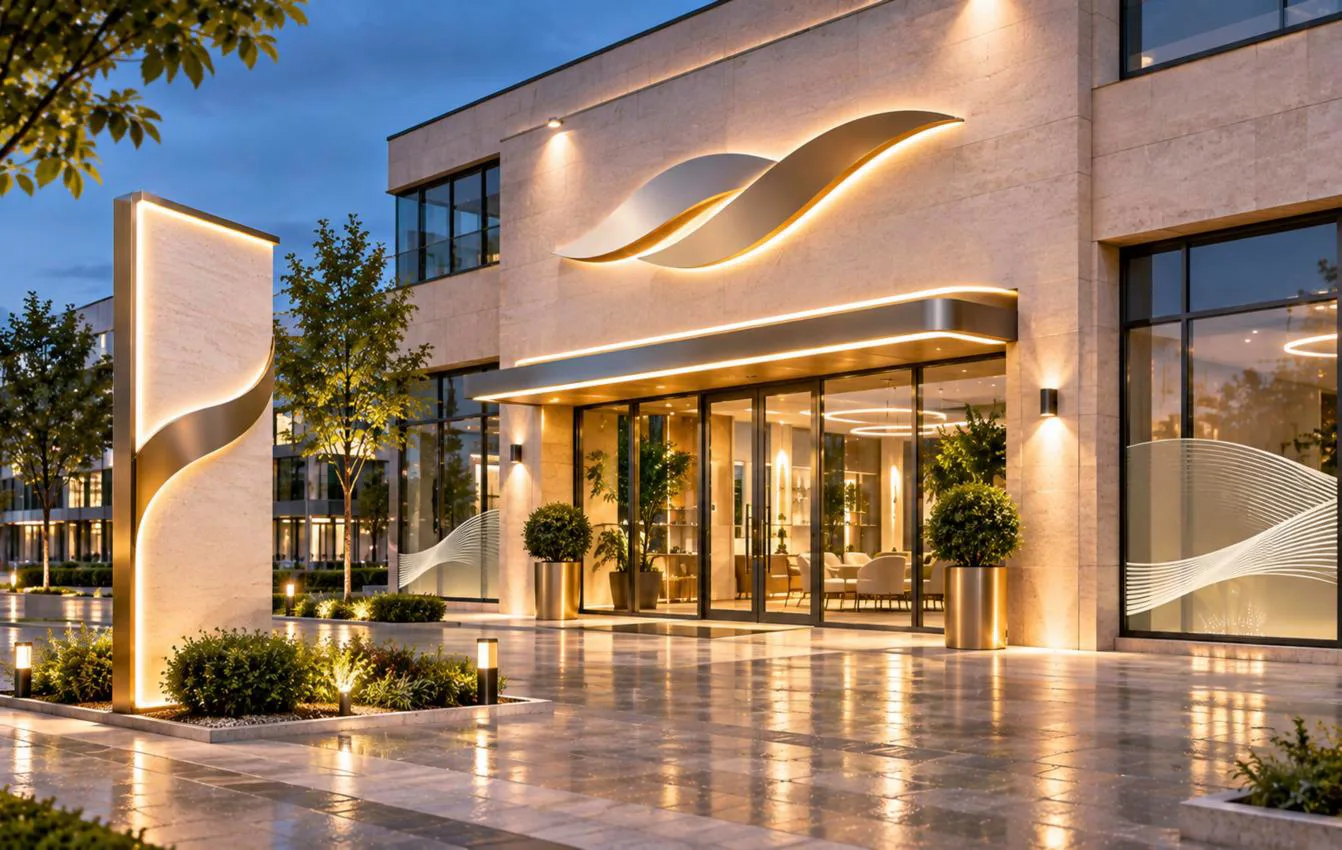
When choosing between channel letters, illuminated and non-illuminated signs, and a pylon sign, the deciding factors are viewing distance, night visibility, facade structure and local regulations. This guide helps you pick the right sign type for your location.
The right business sign depends on where your premises is located, how far away the sign will be seen from, and whether it also needs to be legible at night. For a storefront on a busy street, facade-mounted channel letters or an illuminated lightbox sign is usually the strongest choice, while a pylon sign (totem sign) stands out for a facility or office complex set back from the road. The final decision is shaped by the facade structure, municipal and building management rules, and your budget together.
What criteria should you consider when choosing a business sign?
A business sign is your brand's first point of contact on the street and an investment that will stay in the same place for a long time. Answering the following questions before you decide makes the choice easier:
- Viewing distance: Will the sign be seen by pedestrians, by drivers on the road, or from a distant intersection? The greater the viewing distance, the more letter height, contrast and a clean design matter.
- Night visibility: If the business is open in the evening or the street stays busy at night, an illuminated solution should be considered.
- Facade structure: The support structure and mounting details differ on composite panel, glass, concrete and stone-clad facades.
- Legal and management rules: The municipality's signage and advertising regulations, as well as size and color requirements set by a building complex or shopping mall management, can narrow your options.
- Brand identity: Your logo, corporate colors and typeface should suit the sign type; very thin, highly detailed logos are hard to read with some production methods.
- Budget and service life: A short-term campaign and a permanent branch sign are not planned with the same materials.
What are the main types of business signs?
Channel letter signs
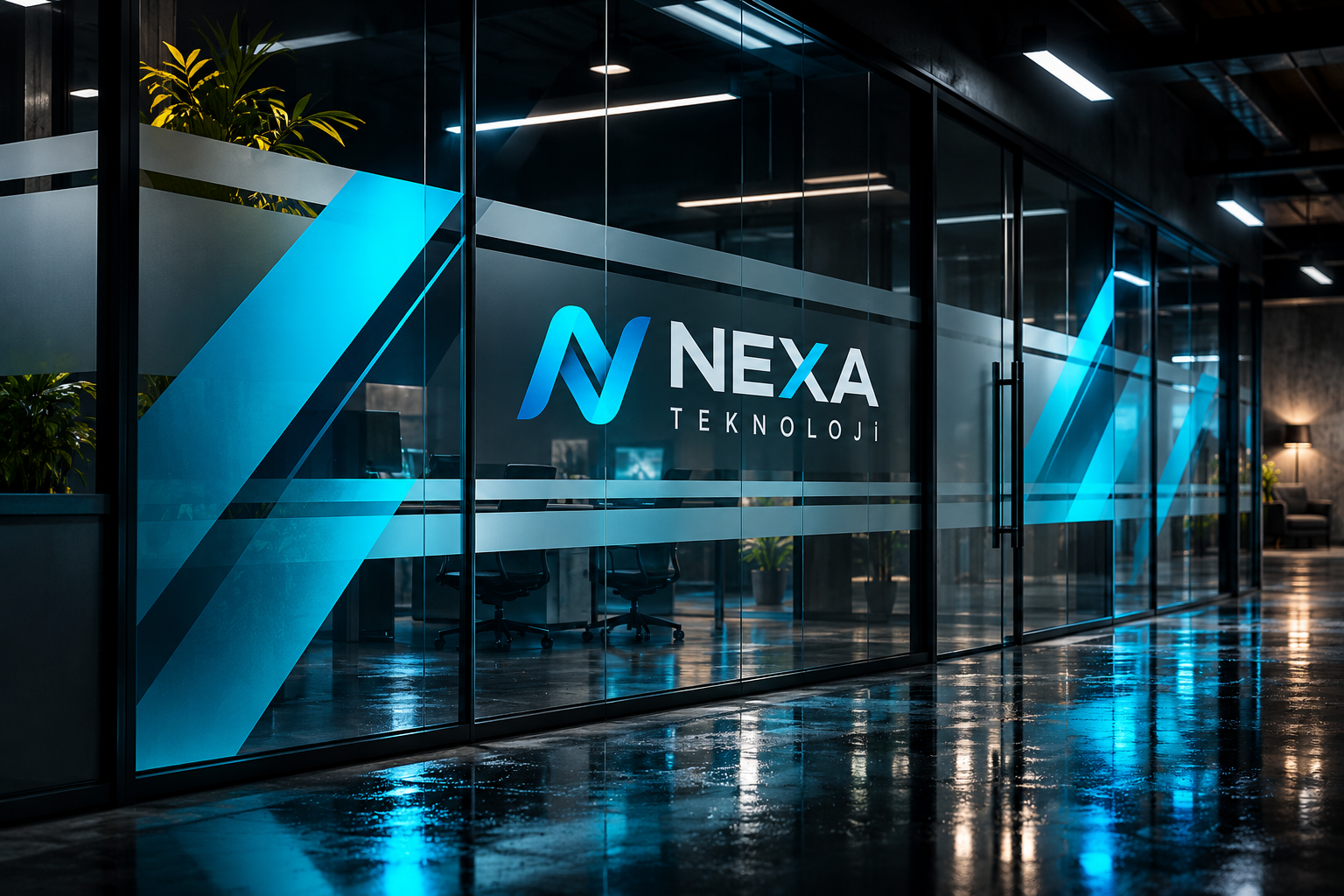
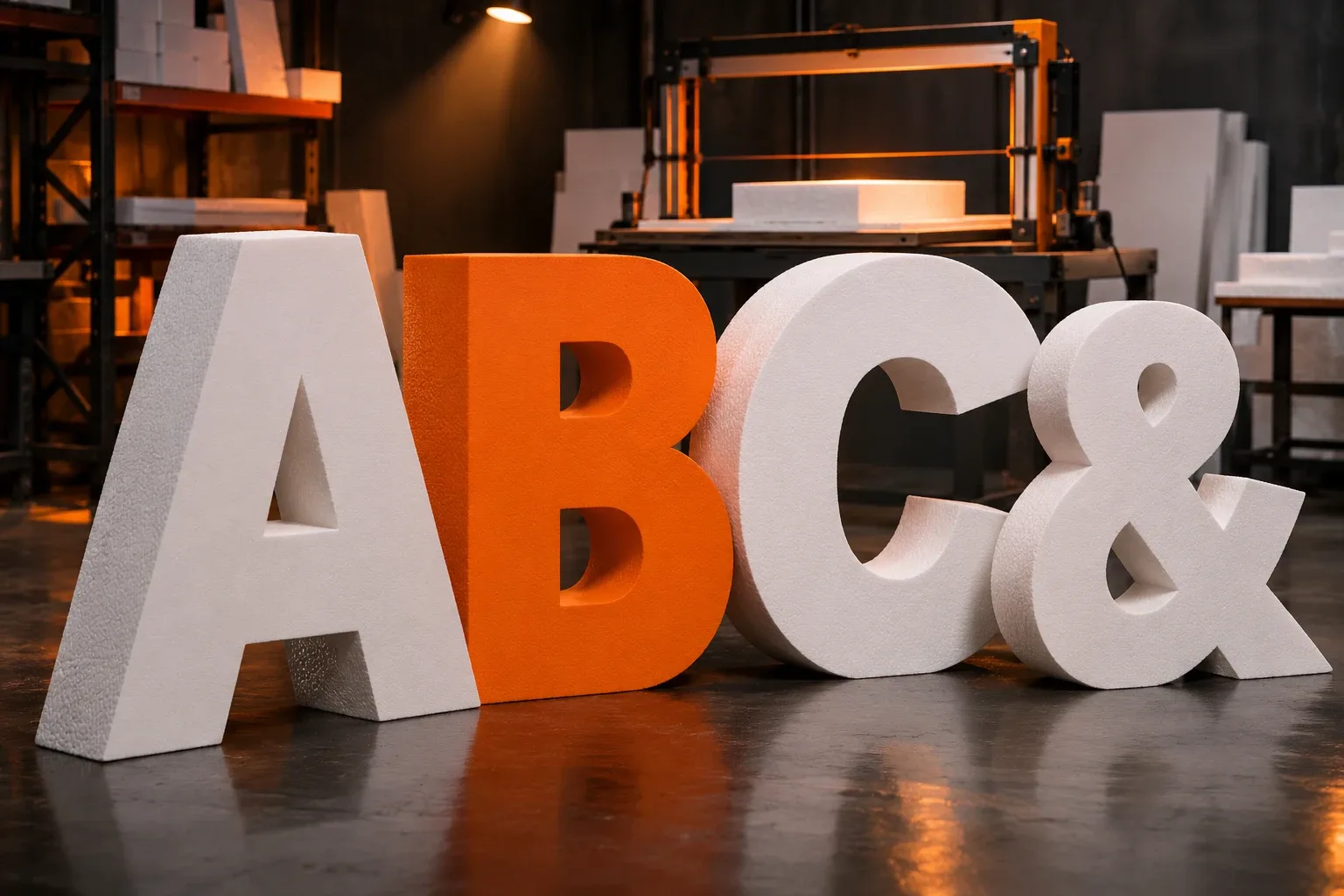
Channel letters are a sign type in which each letter of the logo and lettering is fabricated individually in three dimensions. Channel letters are mounted directly on the facade or on a supporting profile frame. They can be made from different materials such as stainless steel, aluminum or acrylic (plexiglass), and the letters can be lit from the front, the sides or the back. With back lighting, the light falls on the wall and creates a soft halo around the letters. Channel letters are the preferred choice when a clean, prestigious look is the goal, especially on corporate buildings, retail stores and showrooms.
Illuminated lightbox signs
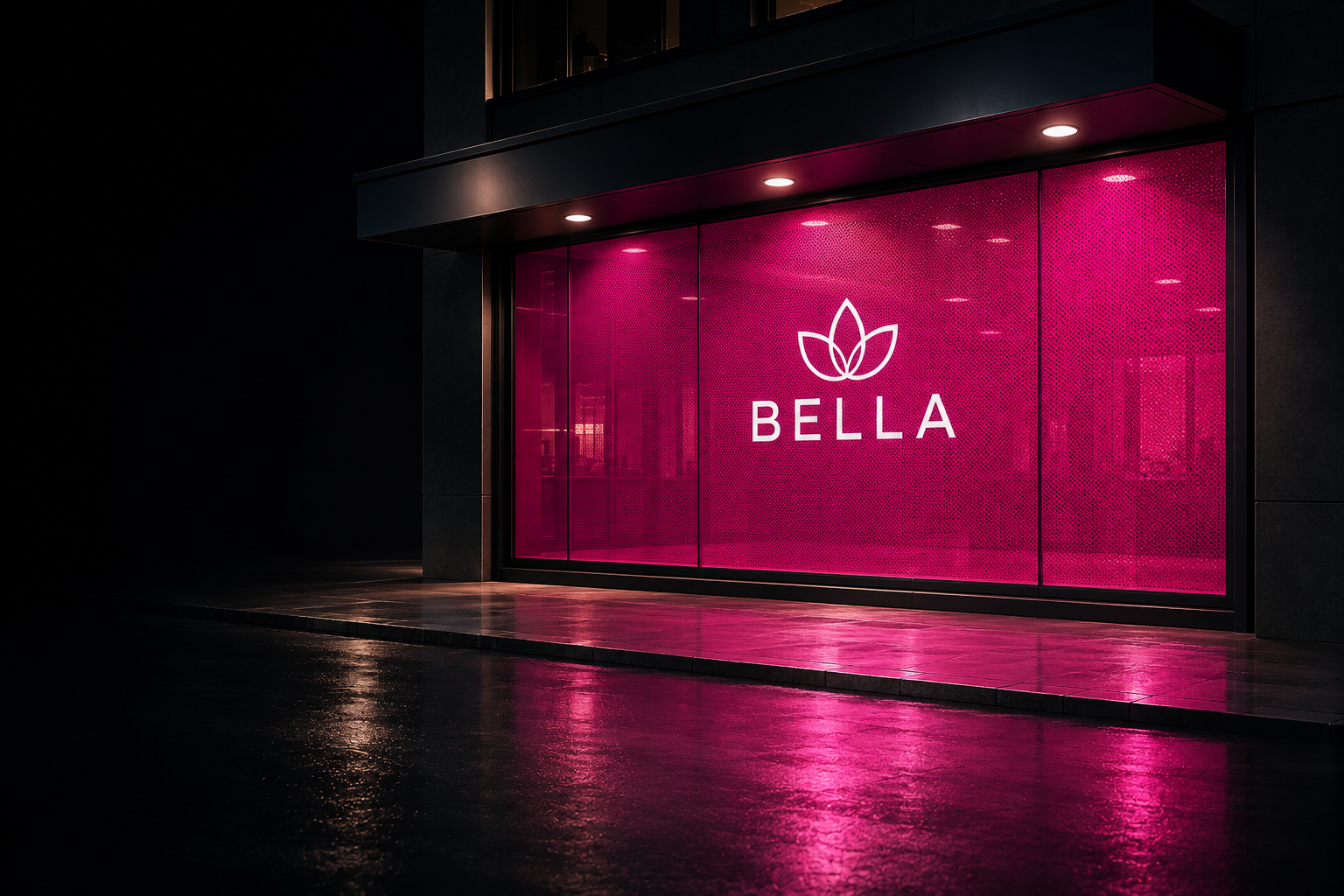
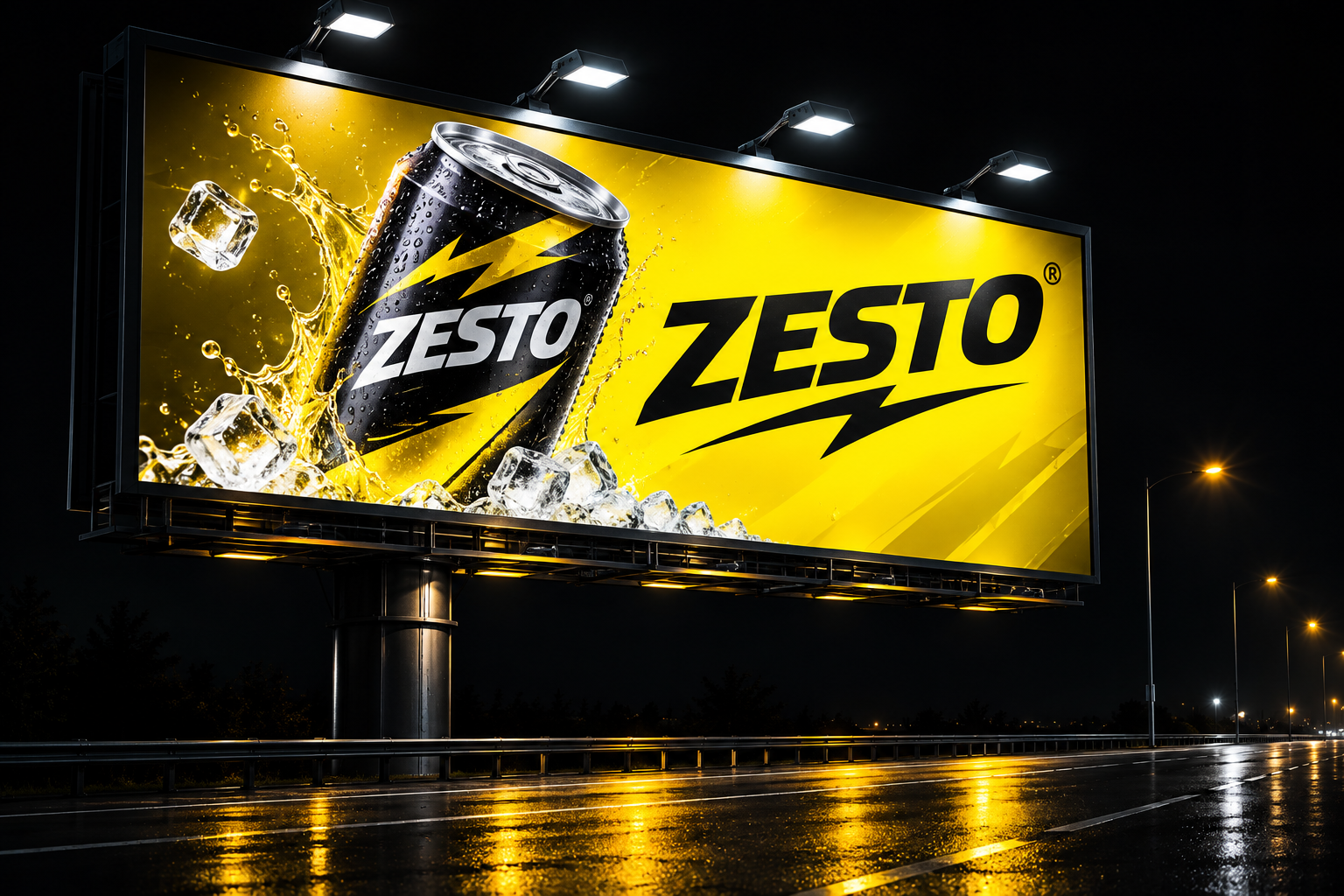
An illuminated lightbox sign consists of a cabinet with lighting inside and a printed or vinyl-covered face mounted on the front of that cabinet. A lightbox sign delivers a clear message over a large surface, stays legible at night and is often a more economical solution than channel letters. Light box signs are common on street-front businesses such as grocery stores, pharmacies and cafes.
Non-illuminated signs
Non-illuminated signs are made with vinyl applied to composite panels, digital printing, or letters fixed to the surface. A non-illuminated sign is a suitable and economical option for premises that have enough visibility in daylight, are not used at night, or have surroundings that are already well lit. Because a non-illuminated sign requires no electrical connection, installation is also simpler.
Pylon signs (totem signs)
A pylon sign (totem sign) is a vertical, usually double-sided identification and wayfinding structure anchored to the ground independently of the building. Pylon signs suit facilities set back from the road, gas stations, office complexes, hospitals and businesses with parking lots, because the sign can be placed close to the road instead of on the facade. In buildings that house several companies, a pylon sign is also used as a tenant directory.
Wayfinding signs
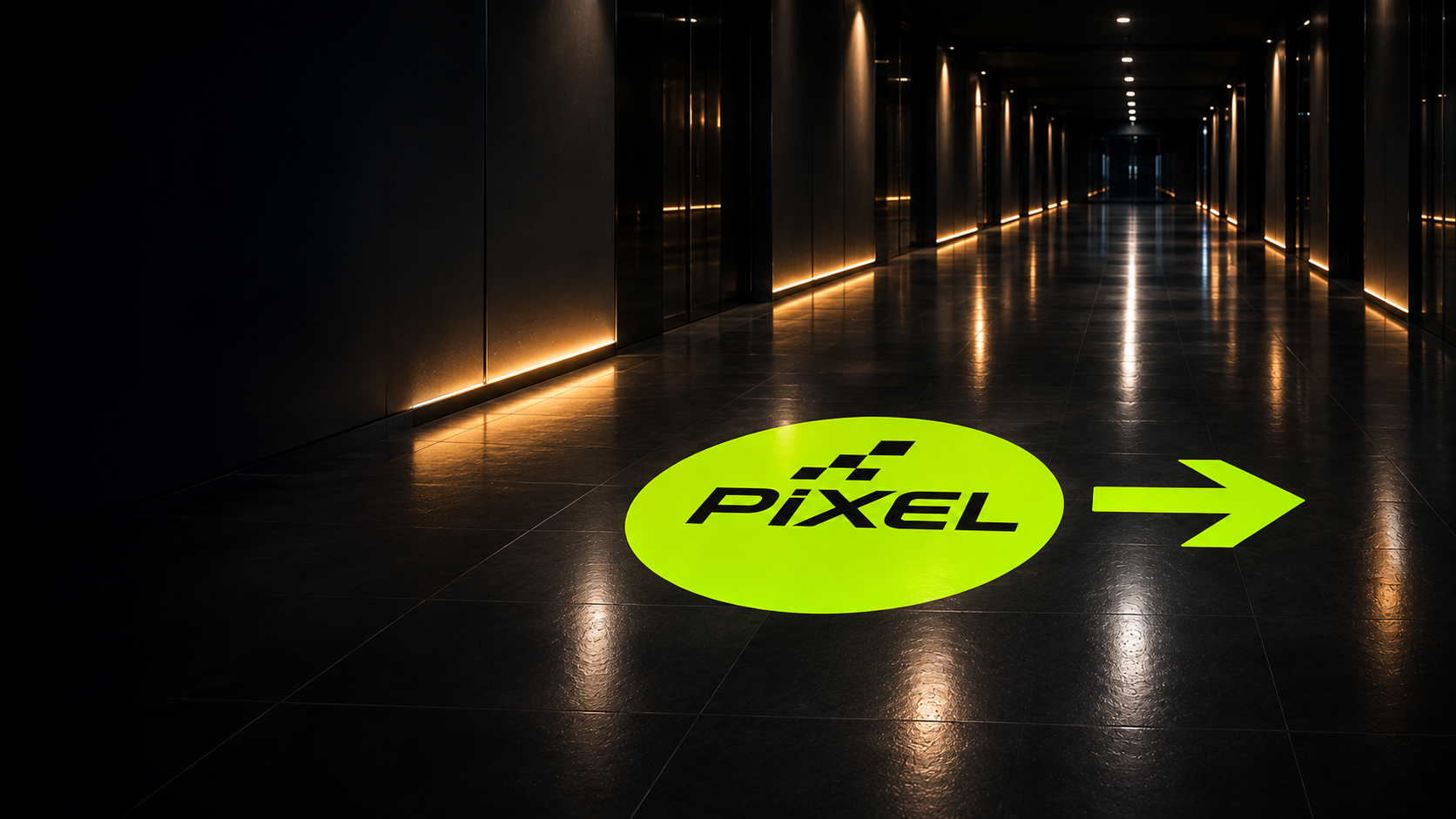
Indoor and outdoor wayfinding signs are complementary products that give visitors parking, entrance, floor and department information in plain language. When wayfinding signs are designed with the same colors and typeface as the main sign, they strengthen corporate consistency.
Which sign type suits which location?
| Location / need | Recommended sign type | Why? |
|---|---|---|
| Street-front store | Illuminated channel letters or an illuminated lightbox sign | Legible day and night to pedestrian and vehicle traffic |
| Corporate building, showroom | Channel letters (back-lit if needed) | Creates a clean, prestigious, brand-focused look |
| Facility or office complex set back from the road | Pylon sign | Placed close to the road and noticeable from a distance |
| Office or workshop open only during the day | Non-illuminated composite or vinyl sign | Economical and requires no electrical connection |
| Multi-tenant business center | Pylon and wayfinding signs | Presents the tenant list and directions in one consistent system |
Illuminated or non-illuminated?
When deciding between an illuminated and a non-illuminated sign, look at your business hours and how the street is used in the evening. For a business that is open in the evening, a non-illuminated sign may go unnoticed during the busiest hours of the day. On the other hand, for a business that serves customers only during the day on a well-lit facade, a non-illuminated sign may be enough. Illuminated signs today commonly use LED lighting, which is preferred for its even light distribution and low energy consumption. Where the power supply will come from, whether timer-controlled operation is needed, and how the sign will be accessed for service should also be planned from the start.
What should you watch for in sign legibility and design?
- For signs that will be read from a distance, keep the message short: the brand name and, if needed, a single line describing what you do is usually enough.
- Keep the color contrast between the background and the lettering high; similar tones blend together as the viewing distance increases.
- Avoid very thin typefaces and small details; thin strokes can cause problems, especially in channel letter fabrication.
- Position the sign with anything that blocks the view in mind, such as trees, awnings or outdoor air conditioning units.
What are the steps of a sign project?
- Site survey and measurement: The facade is inspected on site, measurements are taken, and the support structure and electrical conditions are assessed.
- Design and approval: A design aligned with your corporate identity is submitted for approval together with a visual showing how the sign will look on the facade.
- Production: The approved design is fabricated with the selected materials and lighting.
- Installation: The sign is mounted in place with secure fastening details; illuminated models are wired and tested.
To keep a business sign looking as good as on the first day for a long time, it is enough to clean its surface at regular intervals and have the fastening points and lighting checked periodically.
Your sign project with ERD Reklam
ERD Reklam helps you choose the right sign solution for your premises by handling site survey, measurement, design, production and installation under one roof. You can browse different sign examples in our Signage category and send your request through our quote request form, attaching your facade measurements and a photo. For glass and storefront window applications that complement your sign, you can also explore our vinyl film wrap options.
- #business signs
- #channel letter signs
- #illuminated signs
- #pylon signs
- #facade signs
- #how to choose a sign
Frequently Asked Questions
What is the difference between channel letters and an illuminated lightbox sign?
Channel letters are individual three-dimensional letters, while a lightbox sign is a single illuminated cabinet with a printed face. With channel letters, each letter and the logo are fabricated separately in 3D and mounted on the facade one by one, creating a cleaner and more prestigious look. An illuminated lightbox sign uses a printed or vinyl-covered face on the front of a lit cabinet; it delivers a clear message over a large surface and is often more economical.
When should you choose a pylon sign?
A pylon sign is a good choice when the business is set back from the road, the facade is hard to see from the road, or several companies share the same site. Because a pylon sign (totem sign) is anchored to the ground, it can be placed close to the road, and its double-sided design makes it visible to traffic coming from both directions.
Do you need a municipal permit for a business sign?
In many cases, yes. In most municipalities, signs and advertising installations are subject to signage and advertising regulations, and there may be restrictions and permit procedures covering size, location and illumination. Before installation, we recommend checking the rules of your local municipality and, if applicable, of your building, complex or shopping mall management.